









The shipping crisis in the Persian Gulf intensified on Wednesday after a U.S. submarine strike hit an Iranian warship off Sri Lanka. The escalation widened the ongoing conflict and further disrupted traffic through the Strait of Hormuz.
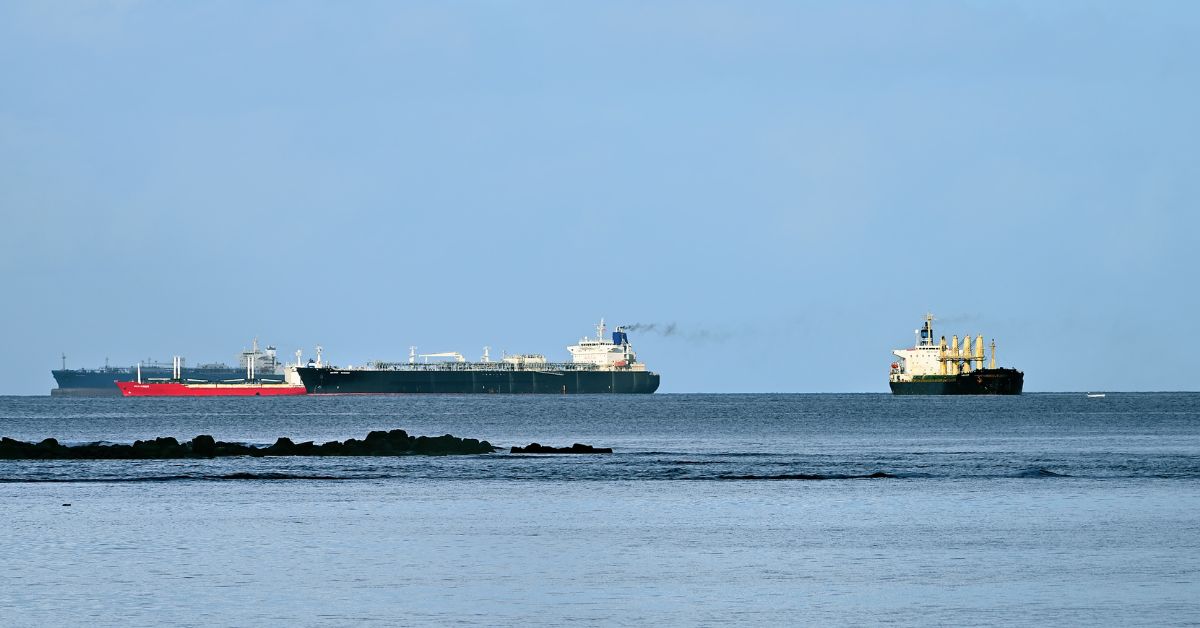
Hundreds of tankers and cargo vessels have now been stranded on both sides of the key waterway for a fifth consecutive day. The situation is affecting global oil and liquefied natural gas (LNG) shipments.
Ship-tracking data shows that at least 200 vessels, including oil tankers, LNG carriers and cargo ships, remain anchored off major Gulf producers such as Saudi Arabia, Iraq and Qatar.
Many other ships are waiting outside the Strait of Hormuz until the security situation improves.
The Strait of Hormuz is one of the world’s most important maritime chokepoints. Around 20% of global oil and LNG supplies, equivalent to about 20 million barrels of oil per day, normally transit the narrow waterway connecting the Persian
Content Original Link:
" target="_blank">