












Maersk issues Middle East operational update amid Hormuz disruptions
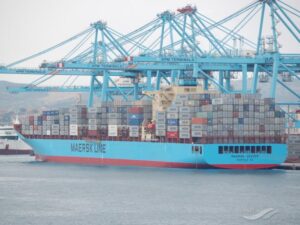
Maersk has released a new operational update as tensions in the Strait of Hormuz continue to disrupt regional logistics.
The company is implementing emergency measures to protect crews, cargo, and supply chains. Conditions remain volatile, and updates may change quickly.
Expanded Landbridge and Multimodal Solutions
Maersk is expanding landbridge solutions across the Gulf region. These cover Saudi Arabia, UAE, Qatar, Kuwait, Bahrain, and Iraq.
Key routes include:
-
Exports via Jeddah Port
-
Iraq cargo via Aqaba Port
-
UAE cargo via Sohar, Salalah, and Jeddah
Imports move inland from:
-
Jeddah to Riyadh and Dammam
-
Khor Fakkan, Fujairah, and Abu Dhabi across the UAE
-
Salalah across Oman
These solutions combine sea, road, and feeder services.
Emergency Freight Charges Introduced
Maersk has added an Emergency Freight rate for cargo linked to Gulf ports.
Rates per container:
-
20’ dry: USD 1,800
-
40’ dry: USD 3,000
-
Reefer and special cargo: USD 3,800
The fee covers rerouting, storage, and additional transport costs.
Options for Cargo in Transit
Customers must choose how to handle affected cargo:
A) Continue voyage with storage
-
Includes 14 days of storage
-
Extra storage costs apply after that
B) Return to origin
-
Customer pays additional freight and COD fees
C) Change destination
-
Subject to feasibility and extra costs
Maersk extended the decision deadline to March 25 due to Eid holidays.
Booking Restrictions Across the Region
Maersk has suspended many bookings:
-
Reefer, DG, OOG, and dry cargo restricted across most Gulf ports
-
Exceptions include Jeddah, King Abdullah Port, Salalah, and Sohar
Critical goods like food and medicine receive priority.
Empty Container Return Changes
Empty containers must now return to:
-
Salalah (Oman)
-
Jeddah (Saudi Arabia)
Some locations allow limited returns with extra charges. Others no longer accept empties.
Emergency Bunker Surcharge (EBS)
Fuel disruptions have forced Maersk to introduce a global EBS.
Examples:
-
20’ containers: USD 100–200
-
40’ containers: USD 200–400
-
Reefers: up to USD 600
The surcharge starts March 25, 2026. Maersk will review it every 14 days.
Air Freight Impact
Air cargo faces rising fuel costs and disruptions.
-
Fuel surcharges will increase weekly
-
A Transit Disruption Surcharge (TDS) will apply
Ongoing Situation
The crisis continues to disrupt fuel supply and shipping routes.
Maersk is sourcing fuel from alternative suppliers at higher costs. The company aims to maintain operations while ensuring safety.
Further updates will follow as conditions evolve.
The post Maersk issues Middle East operational update amid Hormuz disruptions appeared first on Container News.
Content Original Link:
" target="_blank">