










Sustainability has become a defining priority across industrial and maritime operations. While much of the discussion centers on alternative fuels and emerging technologies, one of the most immediate and cost-effective opportunities to
Sustainability has become a defining priority across industrial and maritime operations. While much of the discussion centers on alternative fuels and emerging technologies, one of the most immediate and cost-effective opportunities to reduce energy consumption and emissions is often overlooked: precision shaft alignment.
AME sees firsthand how precision shaft alignment services improve equipment reliability, reduce vibration, and support long-term sustainability across both marine and industrial environments.
The Hidden Energy Fee of Shaft Misalignment
Misalignment in rotating equipment, including pumps, compressors, motors, gearboxes, and marine propulsion systems creates a significant but often invisible energy tariff. When shafts are not properly aligned, excessive forces are introduced into bearings, couplings, and seals.
This leads to:
- Increased friction and vibration
- Elevated operating temperatures
- Higher power or fuel consumption
- Accelerated component wear
In both industrial shaft alignment and maritime shaft alignment applications, even minor misalignment can result in increased energy draw, reduced efficiency, and unplanned downtime. Over time, these inefficiencies compound, driving higher operating costs, repair costs and increased CO2 emissions.
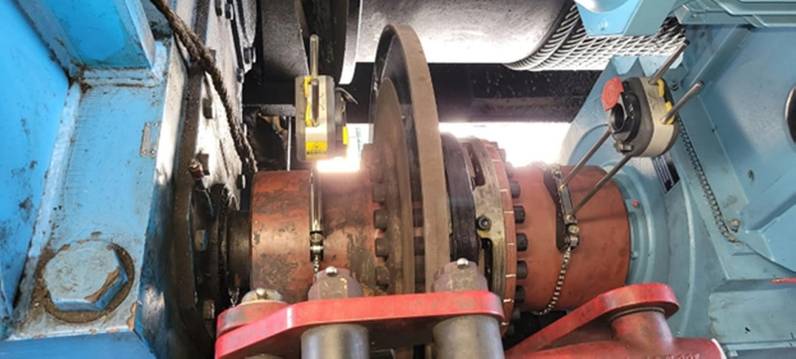 Image courtesy AME
How Precision and Laser Shaft Alignment Reduce Energy Use and Emissions
Precision shaft alignment, particularly when performed using laser shaft alignment services, eliminates unnecessary mechanical resistance and allows equipment to operate at its
Content Original Link:
" target="_blank">