













A step change, from historical RAOs to live vessel motion measurements
By Sahil Kochhar, Commercial Manager, Miros
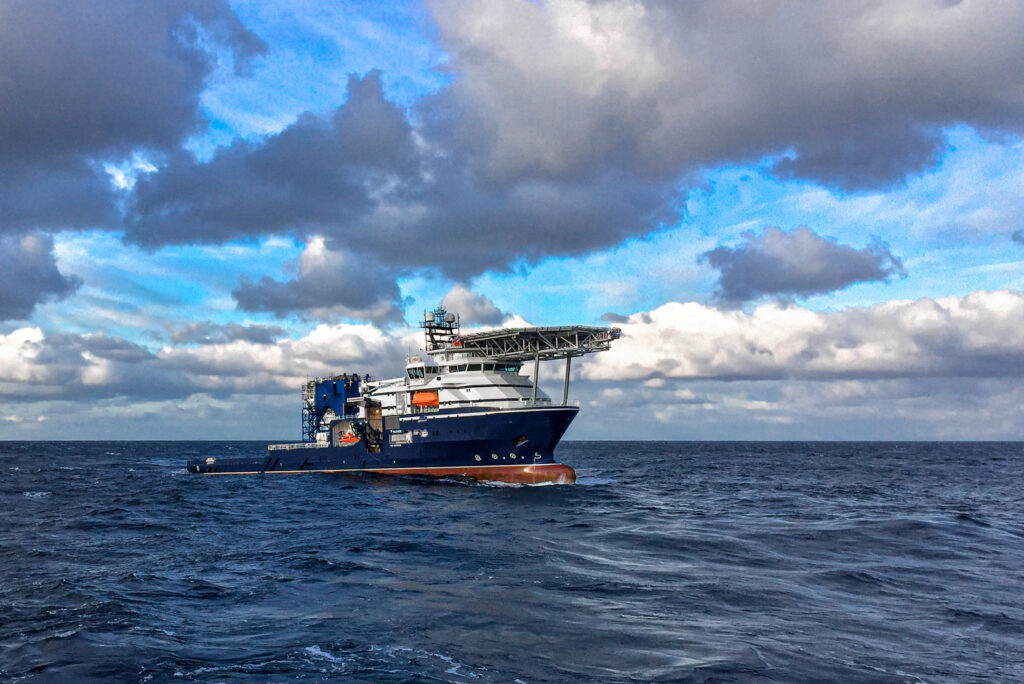
Monitoring, understanding and responding to vessel motion is fundamental for maintaining safety, efficiency and uptime in any offshore operation, whether that be in offshore energy or marine construction.
Over many decades we have seen what can happen if this crucial aspect of seafaring is overlooked. Ensuring stability, safety and predictability in vessel motion is at the core of operational excellence.
Traditionally, vessel motion has been understood through Response Amplitude Operators (RAOs), pre-computed models estimating how a vessel responds to different wave frequencies and headings. These mathematical functions, derived from simulations or model tests, have long been a cornerstone of offshore engineering.
However, while RAOs remain useful, their limitations have become increasingly clear in modern offshore environments. They are, by nature, static representations of dynamic conditions, built on assumptions about ballast, cargo load and sea states, and as such can often fail to reflect the ever-changing reality of vessel operations.
As a result, operators are forced to apply large safety margins to RAO-based limits, reducing risk, but also narrowing operational windows and increasing costly downtime.
Content Original Link:
" target="_blank">