











Nearly 90% of Australians live within 50 kilometers of the coast, and Australia’s State of the Climate Report 2024 found that the nation’s weather, climate, and ocean conditions continue to change. Rising
Nearly 90% of Australians live within 50 kilometers of the coast, and Australia’s State of the Climate Report 2024 found that the nation’s weather, climate, and ocean conditions continue to change. Rising sea levels pose a significant threat to coastal communities and coastal ecosystems by amplifying the risks of coastal inundation, storm surge, erosion, and saltwater intrusion into groundwater systems.
For most of Australia, coastal floods that currently occur occasionally are predicted to become chronic later this century. Extreme sea levels that had a probability of occurring once in a hundred years are projected to become an annual event.
Oceanographers from The University of Western Australia (UWA) are supporting science-based management of coastal resources by expanding the use of ocean buoys for recording wave data and making it freely-available. Most recently, they have advanced wave forecasting capabilities by deploying a fleet of 10 drifting wave buoys in the Southern Ocean between the Western Australian coast and South Africa. These small, solar-powered wave buoys are expected to float in ocean currents and collect wave data for several years.
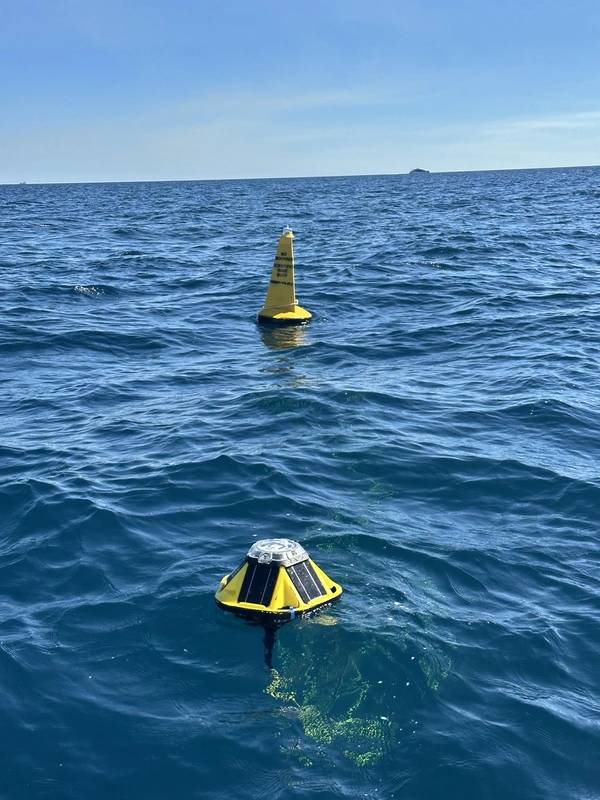 A network of wave buoys is helping researchers understand the processes and changes driven by waves in Australia’s coastal zone. Source: UWA
 Research Fellow
Content Original Link:
" target="_blank">


