







Mooring a ship is one
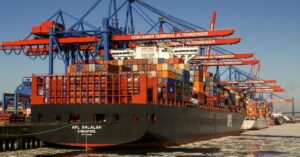
Mooring a ship is one of the most routine activities in port, yet it remains one of the most critical and risk-prone operations carried out on deck. The complexity of a mooring evolution goes far beyond heaving a few lines ashore. It demands a working knowledge of environmental forces, ship behaviour, equipment capability, and—above all—the type of mooring arrangement being used.
For deck officers, understanding mooring systems is not optional. Whether manoeuvring into a busy commercial port, connecting to an offshore terminal, or holding position in open waters, the safety and success of the operation hinges on the officer’s ability to identify the right mooring type and execute it with precision.
A Guide to Mooring Operations Onboard Shipsoutlines the fundamental systems used around the world. Below is a practical overview of five important types of mooring every deck officer must be familiar with—each unique in application, risk profile, and operational style.
1. Alongside Mooring
Alongside mooring is the most common method used worldwide, forming the backbone of operations in ports, terminals, and harbours. In this arrangement, the vessel positions itself parallel to the quay, allowing
Content Original Link:
" target="_blank">